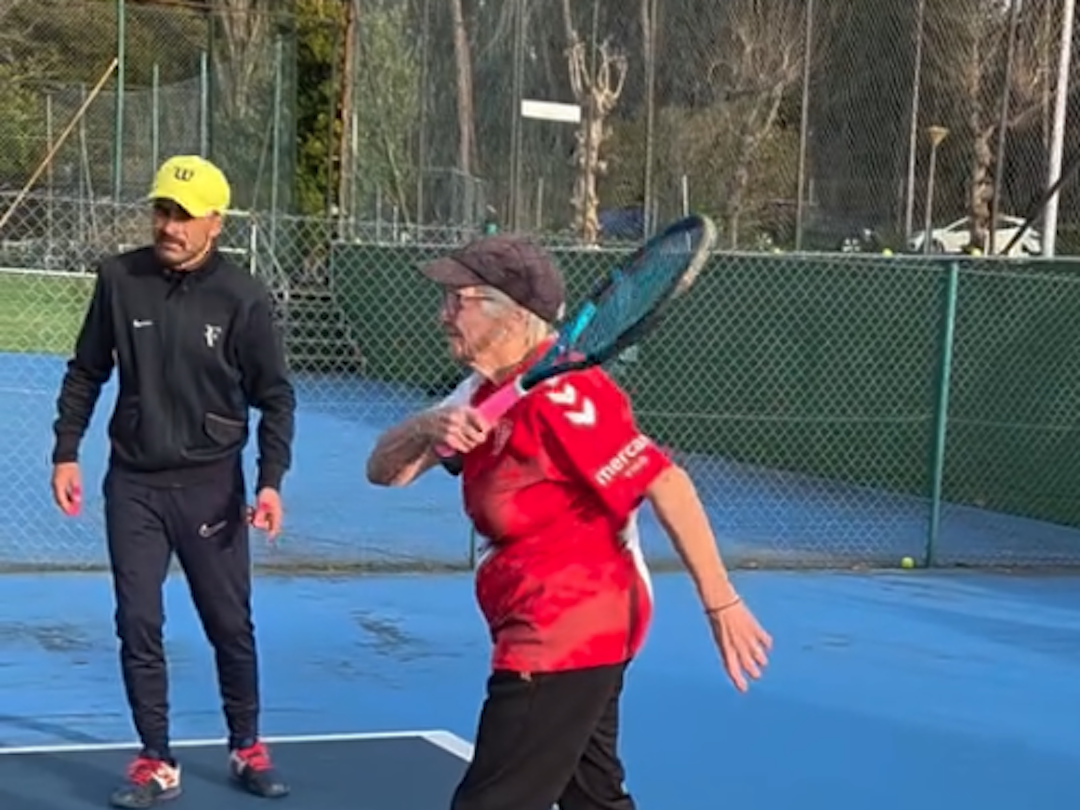
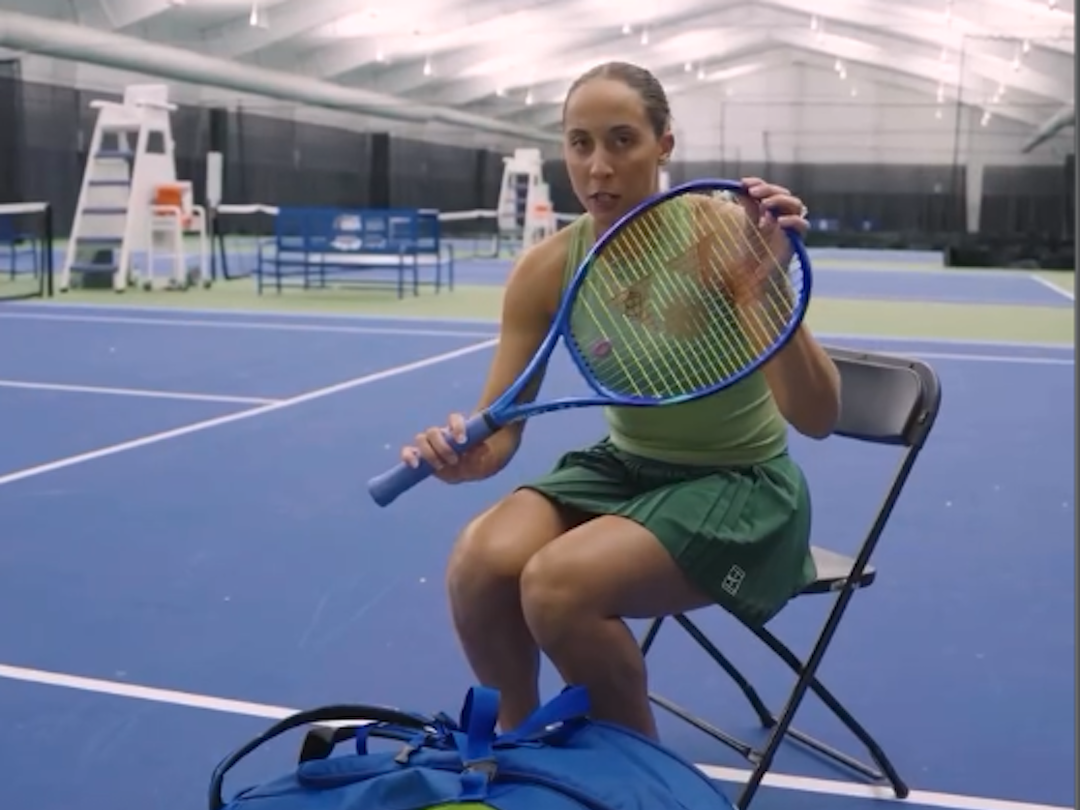
Sometimes innovation is not about inventing something new, but rather about reimagining something familiar. I recently stumbled across a YouTube short of Novak Djokovic executing Medicine Ball Groundstrokes using a wall rather than working cooperatively with a training partner. Djokovic was throwing the weighted ball against a wall and catching the rebound. For someone who does not currently have a consistent training partner available for that drill, that small adjustment brings that exercise back into play as something I could do.
The standard Medicine Ball Groundstroke drill mimics the mechanics of a forehand and backhand using a weighted ball instead of a racquet. Starting from the ready position with the medicine ball held in front of the body, the torso is rotated to one side as if executing a backswing. The hips and shoulders are coiled as weight is shifted to the outside leg. From there, the player drives forward through the other leg, uncoiling the torso, and throwing the ball forward with both hands as if striking a groundstroke. The ball is not simply heaved but rather “played.” The emphasis is on emulating the kinetic chain for functional tennis training.
Djokovic’s wall variation changes the dynamic. By throwing the ball forcefully into the wall and fielding the rebound, he eliminates the need for a training partner. The wall becomes a backboard that returns the ball at slightly variable angles depending on force and release. That variability tightens the feedback loop, requiring instantaneous reaction to reposition, catch the ball, and reload for the next rep.
In this video clip, what truly takes the exercise to another level is that Djokovic is standing in a corner, using the two perpendicular walls to rapidly alternate between forehand and backhand strokes. The corner configuration introduces continuous directional change, more closely resembling rally dynamics.
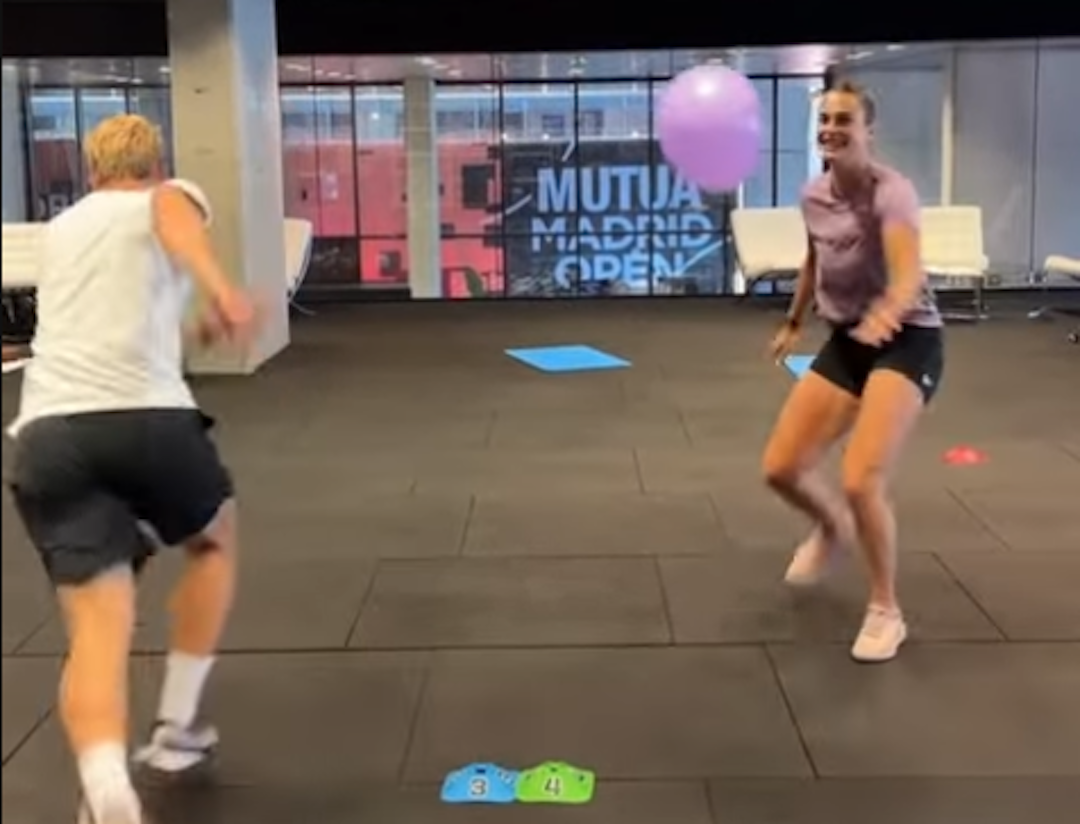
I previously wrote about Medicine Ball Groundstrokes during our detailed breakdown of exercises glimpsed in the Netflix series Break Point. Victoria Azarenka and Daniil Medvedev were shown performing the partner-based version. At the time, I focused on how effectively the exercise builds controlled agility, strength, and balance. Djokovic’s innovation does not replace that foundational version, but expands it. The solo wall variation makes the drill more accessible, and the corner setup introduces an additional layer of movement complexity.
It is also worth underscoring why medicine balls are so valuable for tennis players in the first place. A weighted ball reinforces proper kinetic chain sequencing. To move it effectively, the athlete must load through the legs, engage the core, and rotate with intention. The added resistance exposes inefficiencies. If the lower body fails to initiate, the throw lacks velocity. If balance is compromised, the catch becomes unstable. Medicine ball work builds rotational strength, trunk stability, and deceleration control, all of which are foundational for consistent power and injury prevention.
The wall variation amplifies those benefits by adding a reactive component. Catching and redirecting a weighted object while moving laterally demands balance, coordination, and proprioceptive control. Done properly, the drill remains smooth and controlled. Done carelessly, it quickly reveals mechanical flaws.
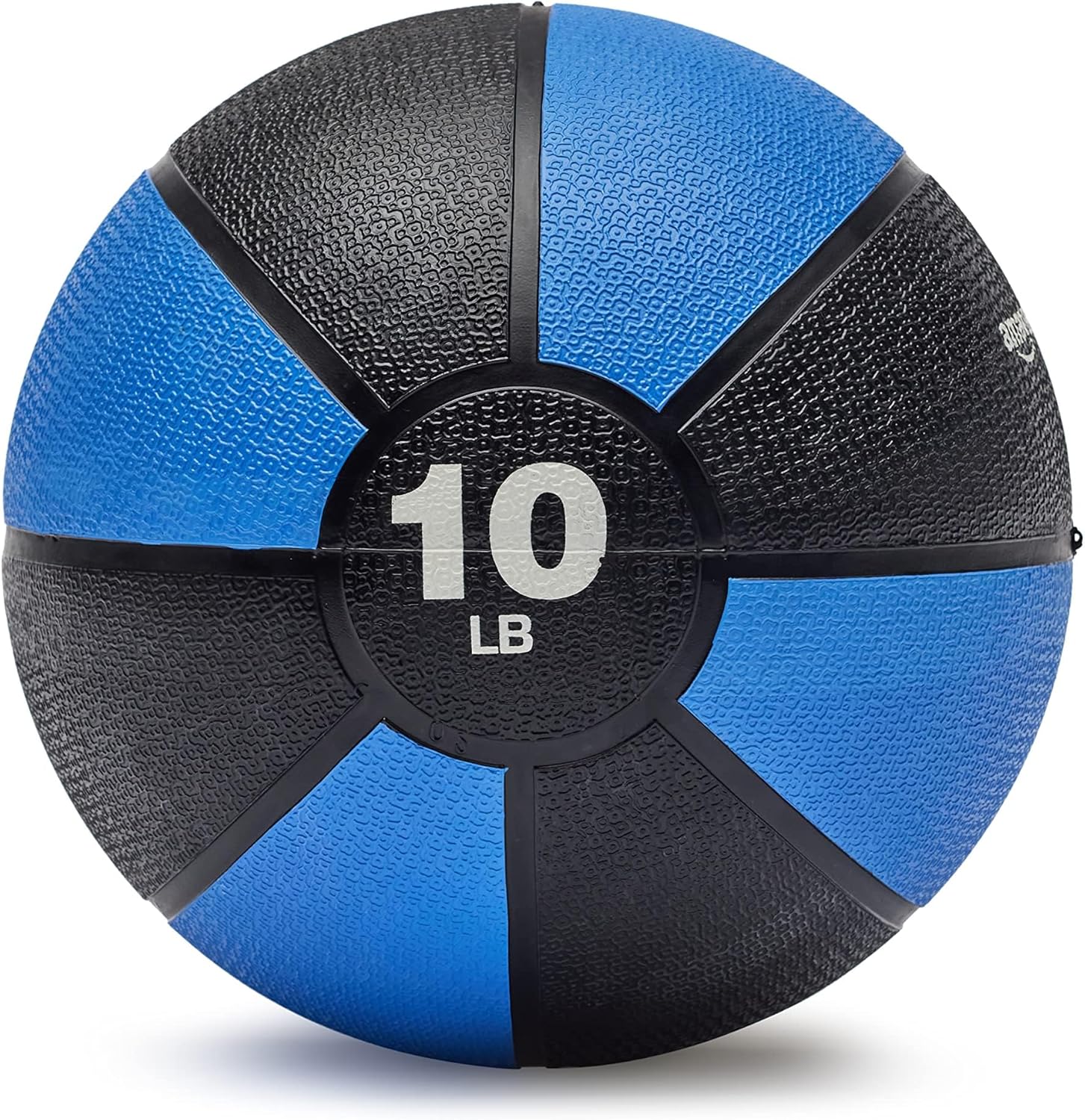
Weighted Medicine Ball (<- Sponsored Link)
Medicine Ball Groundstrokes are a staple in high-performance tennis training. Djokovic’s corner wall adaptation makes the drill both more dynamic and more practical for solo athletes. Sometimes, the most useful training innovations are not revolutionary. They are simply refinements that make good exercises better and, perhaps more importantly, doable.
If the embed to the video below does not work, you can watch it directly on YouTube.
Fiend At Court participates in the Amazon Associates program and receives a paid commission on any purchases made via the links in this article. Details on the disposition of proceeds are available on the “About Fiend at Court” page.