This is one of those posts that gives me a nagging sense that I’ve previously written about this basic drill before. However, for the life of me, I can’t find it. Today’s topic is a quick-reaction exercise ubiquitous in professional tennis. Because of that sense of familiarity, I almost passed over this particular drill when it appeared in the Netflix docuseries Carlos Alcaraz: My Way, assuming that I had previously covered it. In fact, the only reason I decided to write about it this week at all is because Alcaraz adds a unique twist to the standard sequence.
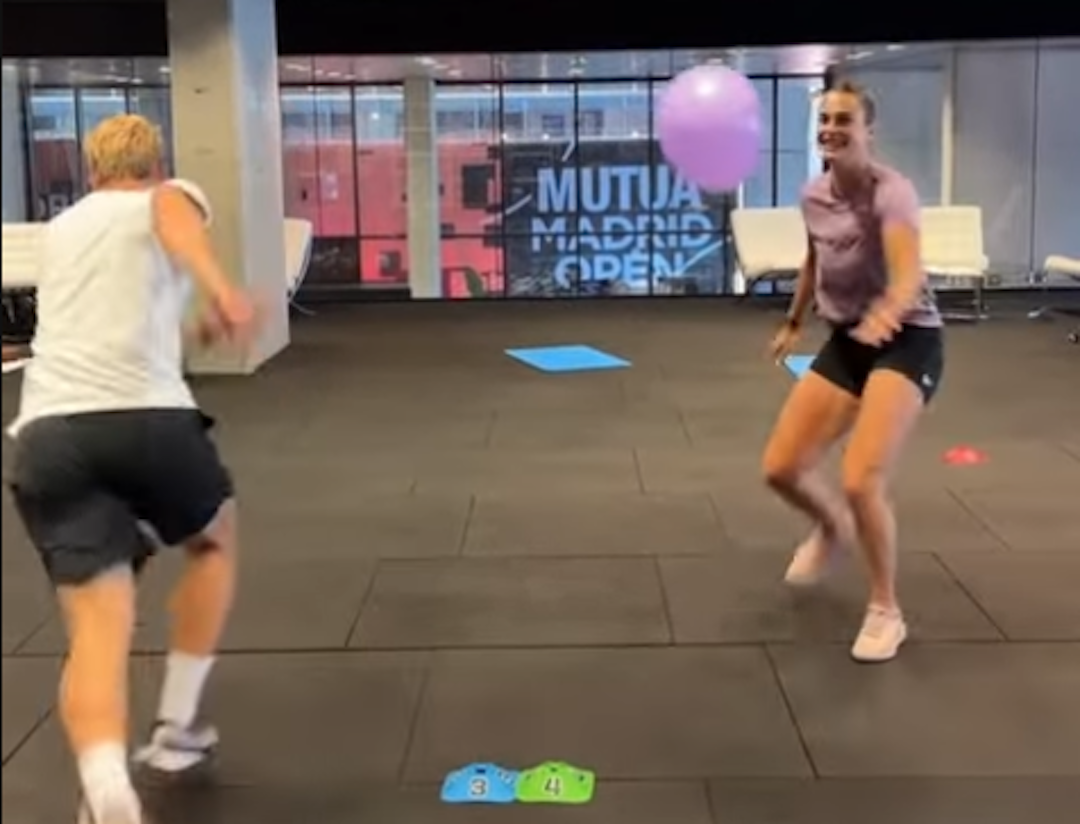
Professional tennis players often prime their bodies and minds before matches by having a coach drop a ball for them to react to and catch. It’s a deceptively simple way to sharpen focus, wake up the reflexes, and connect body movement to the stimulus of the ball. The variations are endless, but in every case, the goal is the same: bridging the mental and physical gap between recognition and reaction.
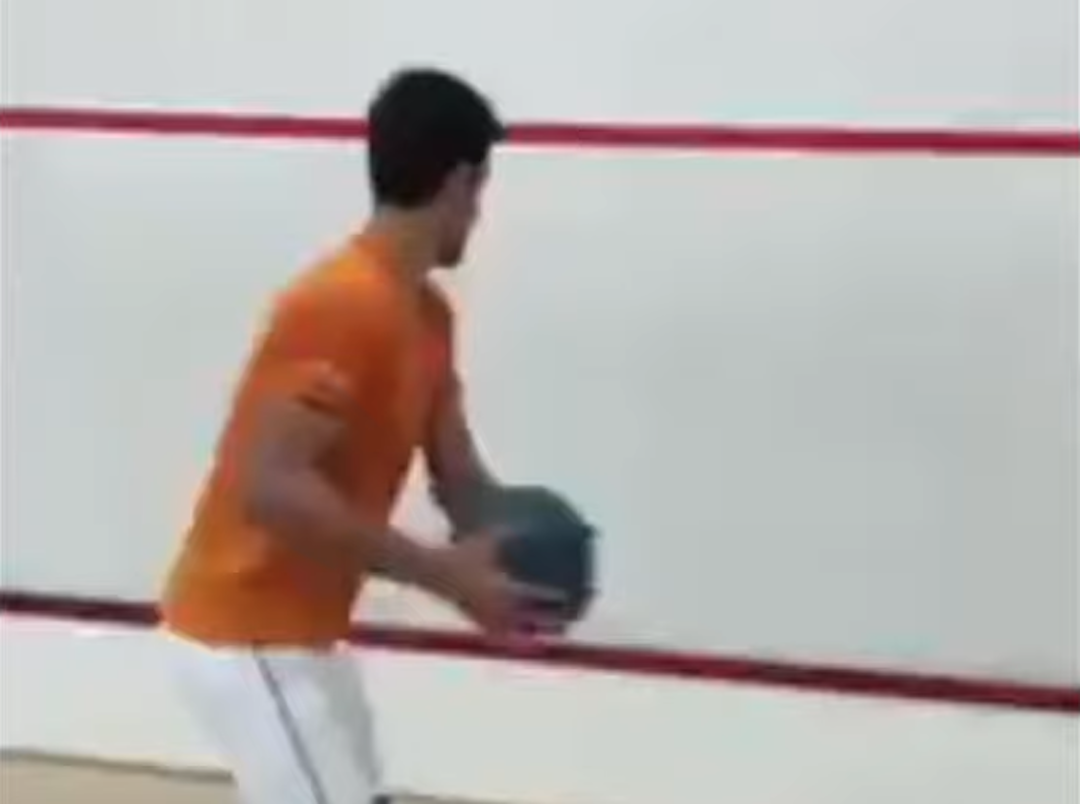
Typically, this exercise involves the coach holding a tennis ball in each hand and then suddenly dropping one for the player to react to and catch. Sometimes it’s a simple face-to-face drill as Alcaraz is doing here, but another common variation requires the player to spin before locating and grabbing the ball. Sometimes the coach even has the athlete start with their back turned, and then tosses the ball off a wall for them to react to. In every case, the fundamental pattern is the same. The coach provides an unpredictable stimulus, and the player has to respond as quickly and cleanly as possible. That combination of surprise and reaction is what makes the drill so effective as both a physical and mental warm-up.
In the variation that Alcaraz is seen performing in Episode 3 of the docuseries, instead of merely catching the ball, he follows that action by taking a couple of shuffle steps before executing a shadow swing on the side where the ball was dropped. That small adjustment transforms the exercise from a generic activation drill into a functional tennis sequence.

That addition is particularly effective for match preparation. Not only does it reinforce the physical readiness of explosive footwork and reactive movement, but the shadow swing also engrains stroke mechanics directly into the reaction cycle. It ties the mental cue of seeing the ball to the kinetic response of preparing the shot, essentially building a live simulation of what happens point after point in an actual match. In doing so, the drill moves beyond reflexes and into the realm of tactical readiness, which is exactly where players want to be as they step onto the court.
Any tennis player fortunate enough to have a coach or training partner willing to drop balls and facilitate this drill should take advantage of it. In addition to pre-match preparation, this is also a great rainy-day gym exercise for keeping sharp. In any case, this is a reminder that sometimes the simplest movements, when executed with intention, are the ones that prepare us best for competition.