The third exercise of my ankle mobility project shifts the focus to the front of the lower leg. While the first two exercises emphasized joint movement and control, this one targets the anterior tibialis, the long muscle that runs along the shin and lifts the foot. Earlier in this series, we worked on a dorsiflexion move to increase the ankle range of motion. Today’s exercise focuses on building strength along that plane, which is critical for explosive first steps, smooth deceleration, and maintaining balance on the court.
The anterior tibialis is often underdeveloped in many athletes because it is rarely trained directly. Weakness in this muscle contributes not only to inefficient movement patterns but also to ankle instability and shin discomfort. Building strength in the anterior tibialis supports both tennis performance and functional stability in daily life. Strong dorsiflexors reduce the risk of tripping and improve control during walking, running, or sudden directional changes. In other words, it provides a critical aspect of fall prevention training.
The exercise of this week is the anterior tibialis raise, a deceptively simple movement that delivers excellent results when performed consistently. This movement strengthens the muscles responsible for lifting the toes toward the shins, balancing the strength in the posterior chain, a part of the body where most tennis players are usually very strong.

My version of the anterior tibialis raise is performed by leaning against a wall with the heels resting on a firm surface, with the toes pointed forward. The toes and forefoot are then lifted as high as possible while keeping the knees slightly flexed and the core engaged. Once the foot is lifted as high as possible, it is then lowered back to the starting position. I do 15 reps when I perform this exercise.
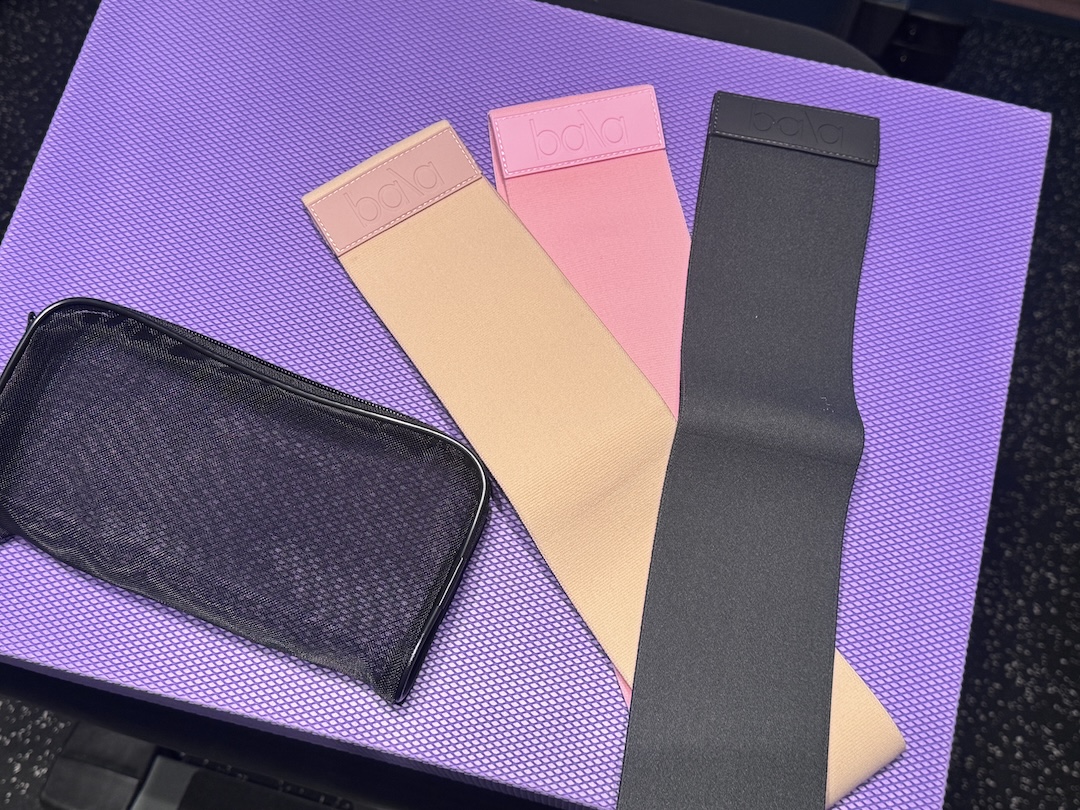
When I first added this movement to my routine three weeks ago, I performed these raises in socks on my gym floor. However, I quickly realized that I needed some padding and, inadvertently, discovered a more effective setup. I now place a cushioned balance pad under my heels, which adds comfort while increasing the available range of motion. The soft surface allows a deeper stretch at the bottom of each repetition and greater engagement of the anterior tibialis through its full contraction. It is a small change that significantly enhances the exercise’s effectiveness, at least for me.
I don’t think I’ve written about the cushioned balance pad I recently added to my collection of training aids. It will be featured in future posts, as it has become one of the more versatile pieces of gear in my home setup. It is lightweight, durable, and ideal for ankle mobility work, balance drills, and stability training. The pad also integrates seamlessly with other lower-body exercises, making it a permanent addition to my training rotation.

Exercise Balance Pad (<- Sponsored Link)
For tennis players, anterior tibialis strength translates directly into faster acceleration and more stable landings. Improved control of dorsiflexion also reduces fatigue during long matches by promoting more efficient movement mechanics.
This four-week ankle mobility journey continues to build momentum, and the anterior tibialis raise is an important addition. Each of these exercises adds strength and control to build a more stable foundation. Anyone can join in and start unlocking the hidden potential of this small but important ankle joint. More power, balance, and range of motion are within reach for anyone willing to put in the reps.
Fiend At Court participates in the Amazon Associates program and receives a paid commission on any purchases made via the links in this article. Details on the disposition of proceeds are available on the “About Fiend at Court” page.