
This post is the second installment in the opening weekend of the Tennis Glow-Up series. Yesterday’s topic focused on tennis identity, examining how the stories we tell ourselves about who we are in the sport shape behavior, expectations, and engagement. With identity now defined, the conversation turns to purpose, specifically what we are actually trying to get from tennis and how that intent quietly governs the choices we make.
Most tennis players can state a purpose quickly. Improve. Compete. Stay active. Have fun. These answers are not wrong, but they are usually incomplete. They describe outcomes or moods rather than intent. Purpose, when left vague, quietly defaults to whatever the environment rewards most strongly. Ratings. Rankings. Wins. Validation. Inclusion. Obligation. Over time, players begin to pursue goals they never consciously selected for themselves.
This is how tennis lives drift out of alignment.
Purpose is not what you say you want from tennis. It is what your behavior reveals you are optimizing for. It shows up in how you commit to participation, what you tolerate, where you invest your effort, and how you emotionally react to outcomes. Purpose is operational, not aspirational.
We probably all know a few players who claim their purpose is enjoyment, but structure their tennis life around high-stress leagues and results-heavy environments. Another common pattern is a player who insists they are focused on improvement, yet never actually puts in the work required to move toward that outcome. The disconnect is not hypocrisy but rather unexamined intent. When purpose is not intentionally established, it opens the door for dissatisfaction to take root.
An unexamined purpose produces constant low-grade tension. Wins feel hollow. Losses feel personal. Practice feels like a chore. Social dynamics become charged. The player is acting on what they think they are supposed to do, but not what actually aligns with their values or current life constraints. The result is effort without fulfillment.
Purpose also changes, whether acknowledged or not.
At different points in life, tennis can serve as a source of competition, community, structure, challenge, therapy, an identity anchor, or a creative outlet. Problems arise when a player insists on an outdated purpose long after it has ceased to fit. Many frustrations are really symptoms of a purpose that has outlived its usefulness.
When purpose is clear, effort becomes proportional rather than compulsive. A player who is playing for connection stops treating every match as a referendum on competence. A player focused on growth accepts temporary regression without panic. A person who values contribution no longer resents time spent captaining or mentoring. Purpose does not eliminate frustration, but it contextualizes it.
This is not about choosing any singular “right” purpose. There is no hierarchy of legitimacy. Playing to win is not more serious than playing to belong. Playing for joy is no less disciplined than playing for mastery. When there is a problem, it is not the purpose itself but rather that you may be operating under beliefs you have never intentionally examined or prioritized.
The salient question is a combination of “What should my purpose be?” combined with “What role should tennis actually play in my life right now?” The answer may be uncomfortable. It may not align with past versions of yourself or with current external expectations. That does not make it wrong. It makes it real.
A purpose that is chosen deliberately reduces internal conflict. It clarifies boundaries. It explains tradeoffs. It provides a reference point for decisions that otherwise feel overwhelming. Purpose does not demand more from your tennis life. Rather, it defines how tennis relates to your identity and values.
Tomorrow’s post will close the weekend by looking at purpose as alignment. We will explore how a clearly defined purpose acts as a filter, simplifying decisions, reducing burnout, and restoring agency in how we choose to engage with the game.


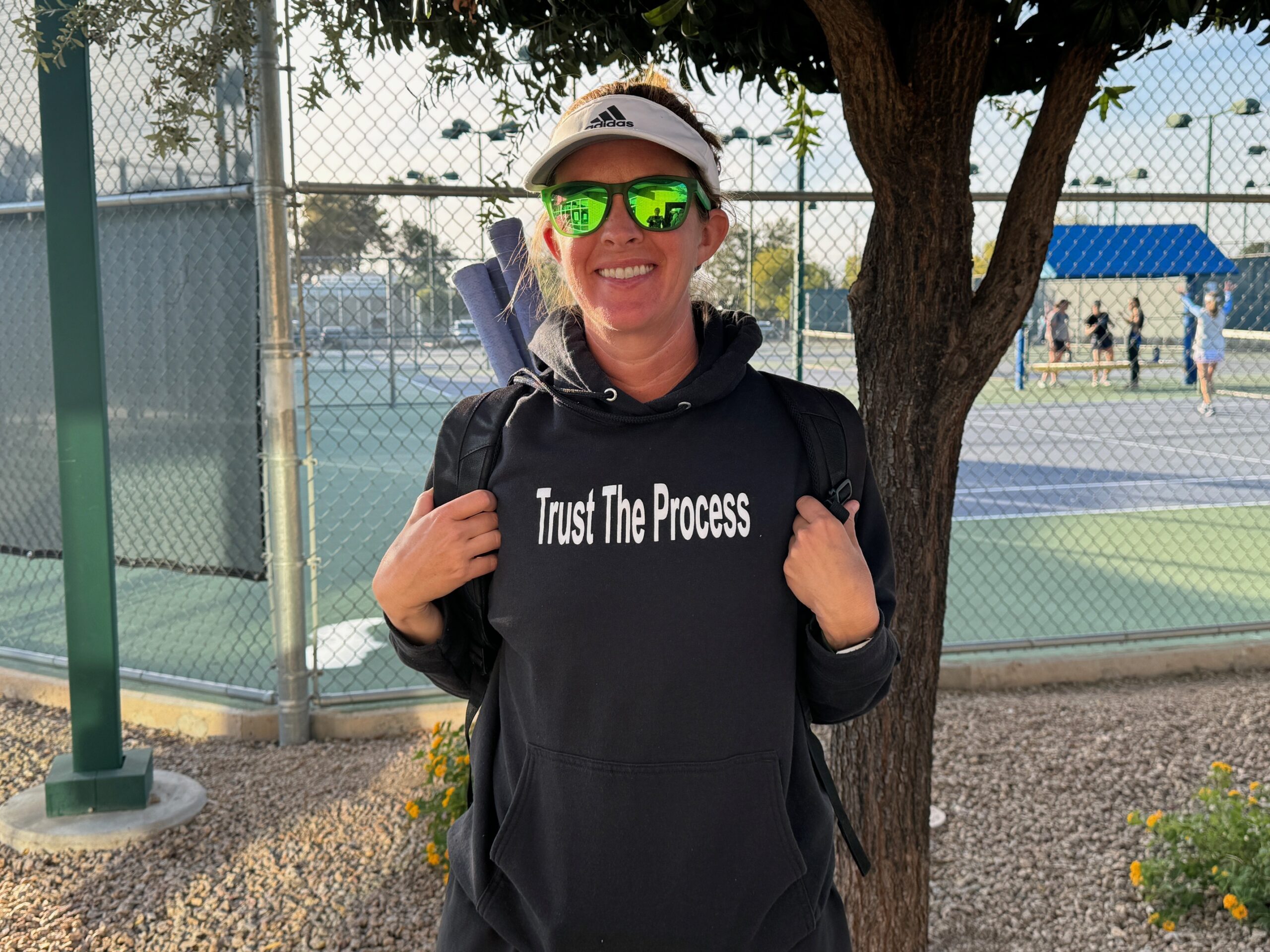
‘Playing to win is not more serious than playing to belong’ – very insightful!!