Of the three research focus areas identified in the USTA’s 2026 Sport Science Research Grant initiative, High Performance/ Player Development is arguably the most complex and, for me personally, the most challenging to write about. I don’t claim expertise in elite player development, but I have some strong opinions about what it takes to create the conditions that allow great players to emerge.
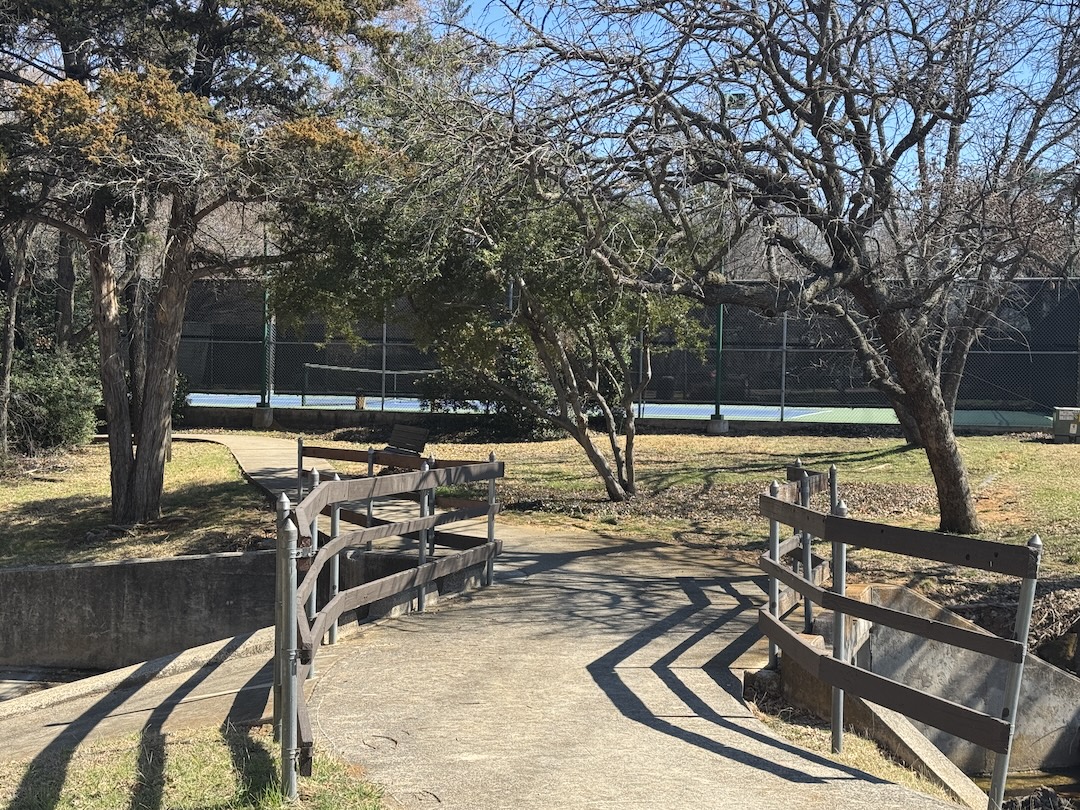
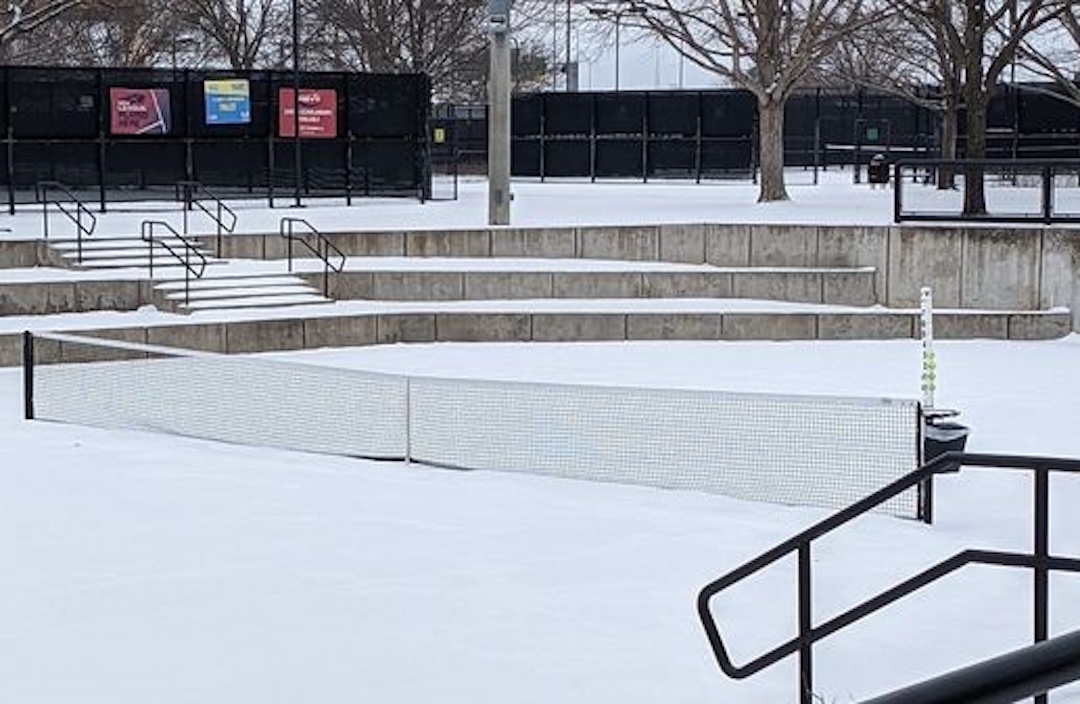
First and foremost, it’s a numbers game. The more kids who are exposed to tennis, the greater the chance that a few of them will rise to the top. That means access to more courts, especially public ones, and more places where kids can hit balls informally without paying hourly fees or joining private clubs. In too many cities, public facilities have been neglected or priced beyond reach. When municipal tennis becomes an exclusive luxury, an entire generation of curious players is left standing on the outside of the fence looking in.
Playing high-performance junior tennis is expensive and often prohibitively so. Families drop out of the competitive pathway not because their children lack talent or passion, but because they simply can’t afford to stay in the game. Travel, equipment, and coaching costs create barriers that exclude many promising athletes long before their potential can be realized. The USTA needs to explore sustainable, transparent ways to subsidize training and travel that are accessible, fair, and equitable.
Another area ripe for investment is coaching. If we want more high-performance players, we need a broader base of high-quality instruction. That means professional development for coaches, expanded certification programs, and stronger incentives for teaching pros to keep learning. Elite-level player development doesn’t just happen in academies; It starts with the local coach who spots a spark in a kid at a park court and knows how to nurture it.
Of the three grant categories, I suspect this is the one that will attract the most proposals. Everyone loves the idea of developing the next great American champion. That’s understandable, but it also misses the point. The most impactful research might not be about training elite juniors at all, but rather creating an environment where excellence can grow naturally. That starts with broad participation, access to affordable instruction, and community-level engagement.
Please do not forget the adults. A healthy adult tennis culture fuels a healthy junior pipeline. Adults who play are the parents who sign up their kids for lessons, volunteer at tournaments, and help build the culture that sustains the sport. The focus on player development shouldn’t come at the expense of adult engagement. Without a vital adult ecosystem, junior tennis will inevitably wither.
One research question I would love to see explored centers on the number of players who leave junior tennis vowing that their own children will never play the sport. It’s a sobering thought—and one that probably says as much about the current state of competitive tennis as any data set could. For the record, one of my own children falls squarely into that category. (I don’t think I was that bad of a tennis parent.)
The USTA’s High Performance and Player Development priority offers researchers the opportunity to ask difficult but necessary questions about access, equity, and sustainability. It’s not just about producing champions. It’s ensuring that the path to excellence is open, affordable, and inspiring enough that the next generation actually wants to walk it.
For those interested in applying, the USTA Sport Science Research 2026 program requires that projects be completed within a year of award. Each proposal must include a plan for measurable deliverables, clear alignment with the USTA’s Adult Participation priority, and a roadmap for dissemination. Full details and submission instructions are available through the USTA Research Grant Guidelines. The deadline is January 9, 2026, with awards announced between February 1 and December 1, 2026.
Here are some of my previous key posts on this topic.