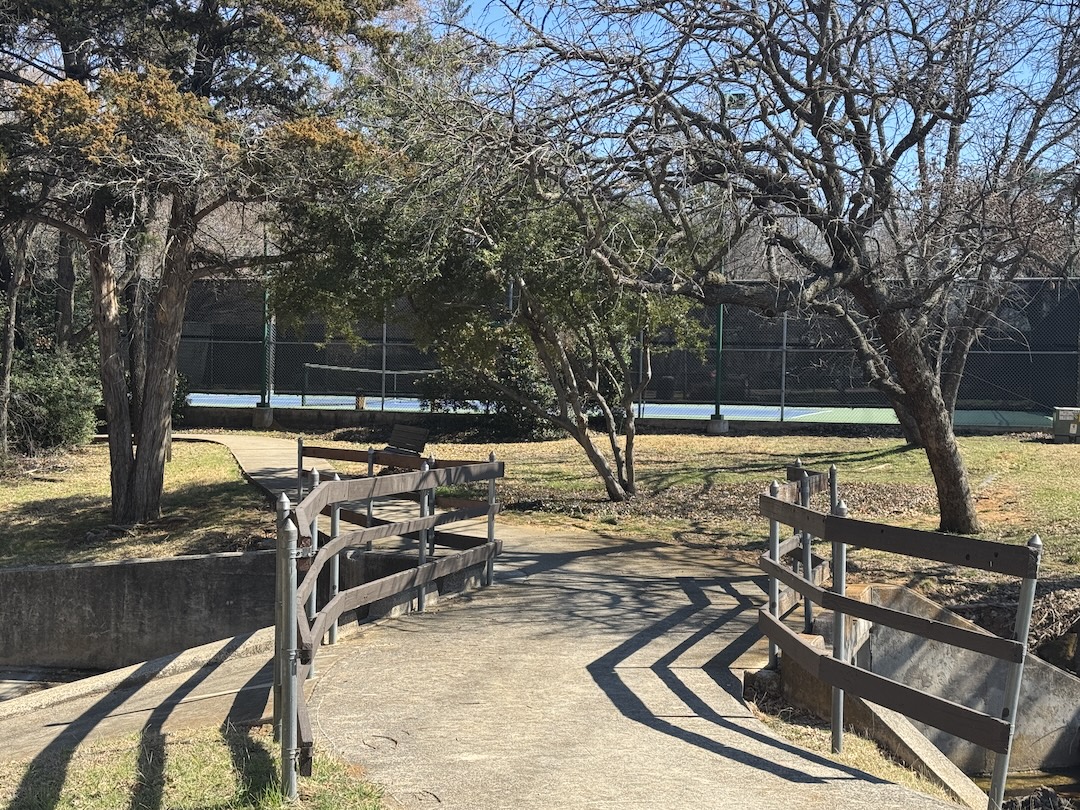
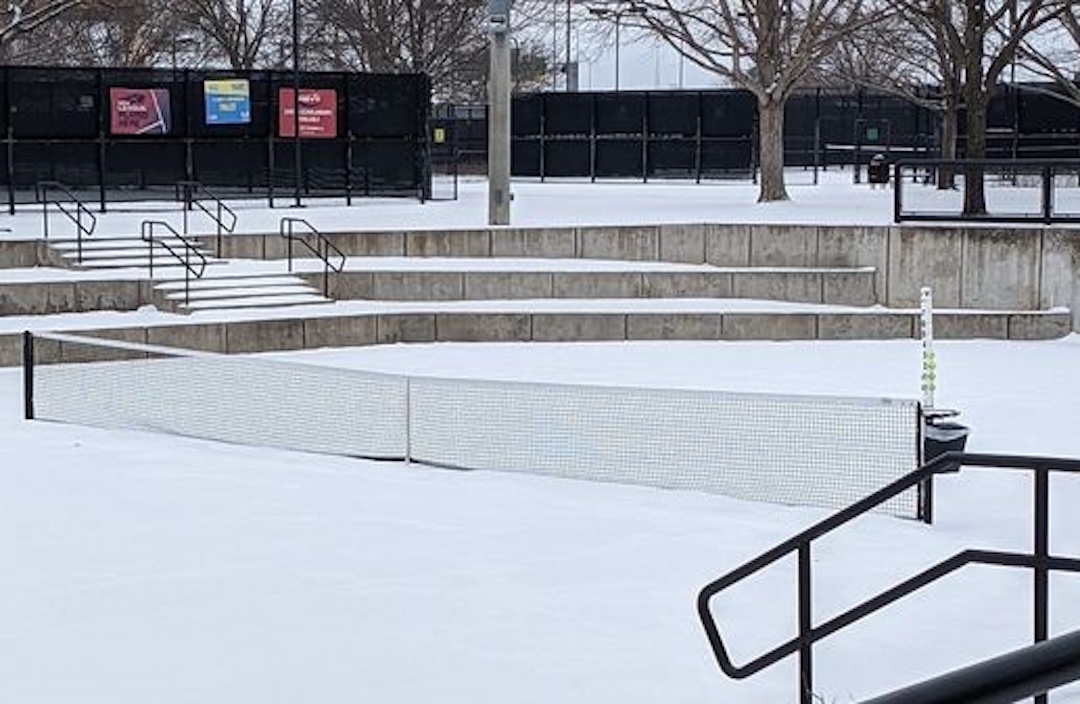
In the United States, Labor Day is traditionally a time to celebrate the people whose work forms the backbone of our daily lives. In tennis, the unsung heroes responsible for the construction and maintenance of public tennis courts deserve special recognition. Here is to honoring the staff in public parks and recreation departments, as well as the dedicated volunteer advocates who champion the construction of new tennis courts and facilities. Their contributions are usually taken for granted. I would wager that most of us never pause to consider how our local tennis facilities came to exist in the first place.
The truth is, courts don’t magically appear. Whether it is a single neighborhood court tucked behind a playground or a brand-new tennis center with dozens of courts, the finished product is the result of a long and complicated process. Tennis courts and facility construction projects are multi-year capital improvements that require far more than just pouring concrete and painting lines. They take significant political support, master planning, community hearings, and countless budget battles. At every step, people are fighting for tennis—sometimes against long odds—because they believe that having courts in the community matters.
Getting a tennis court constructed takes a unique combination of patience and perseverance. Many people begin the process of advocating for a new facility, but few have the stamina to see it through to completion. Those who do leave behind something enduring: Courts that provide opportunities for kids to learn the game, adults to compete in leagues and tournaments, and entire communities to come together around tennis. The fruits of their labor are measured not just in asphalt and fencing, but in the lifelong memories made on those courts.
Today, tennis is facing a severe shortage of courts. As participation in the sport grows, so does the need for dedicated space. Tennis needs more advocates battling for the creation of more capacity.
If you’ve been looking for a way to make a meaningful difference in tennis, perhaps your calling is to advocate for new court construction in your community. It isn’t glamorous, and it isn’t quick—but it is essential. And if advocacy isn’t in your wheelhouse, then at least consider this Labor Day an invitation to thank or support those in your area who have fought the good fight. Their efforts are vital, even if they are largely unseen.
You can’t play tennis without a court. Every time you step onto one, you are standing on years of dedication, persistence, and labor that someone else performed on your behalf. This weekend, as we celebrate workers in every field, let’s not forget those who labor for tennis itself.