When I first reviewed Whirlwind: The Godfather of Black Tennis in early 2022, my focus was squarely on the historical importance of Dr. Robert Walter Johnson and the extraordinary role he played in accelerating the integration of American tennis. That assessment still stands. If anything, time has only reinforced how improbable and consequential his impact was. But revisiting the book now, in light of other tennis stories I have considered since then, some aspects of his legacy hit a little differently.
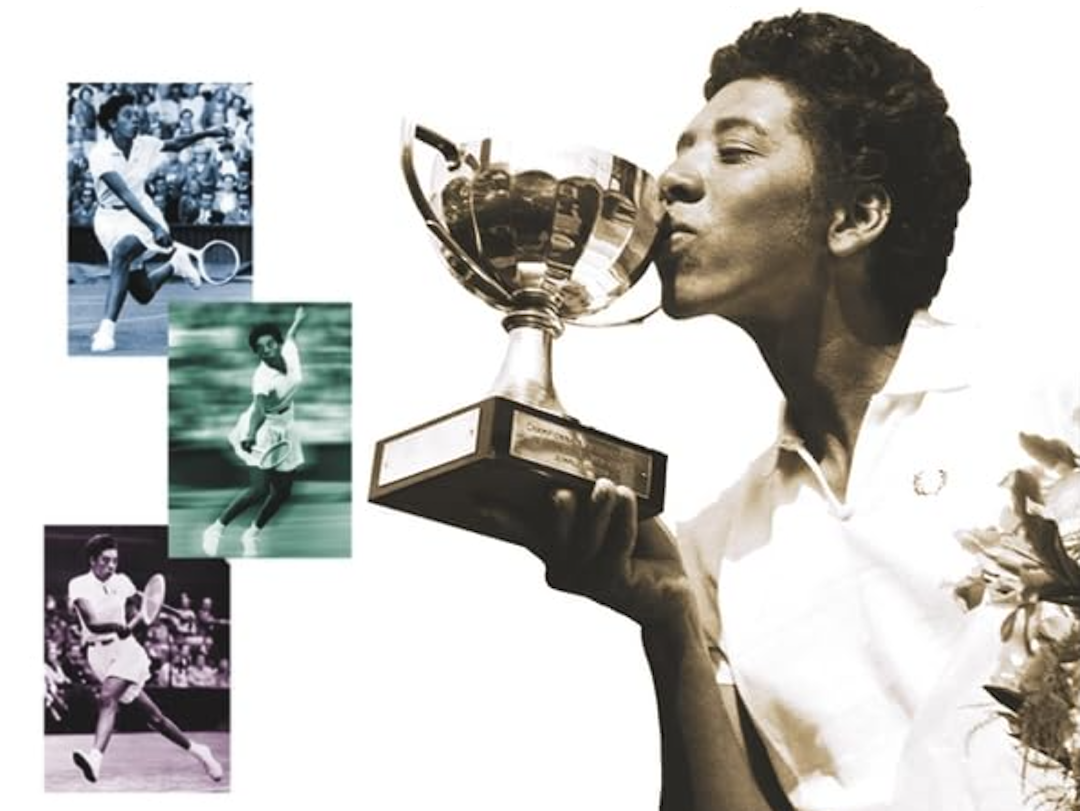
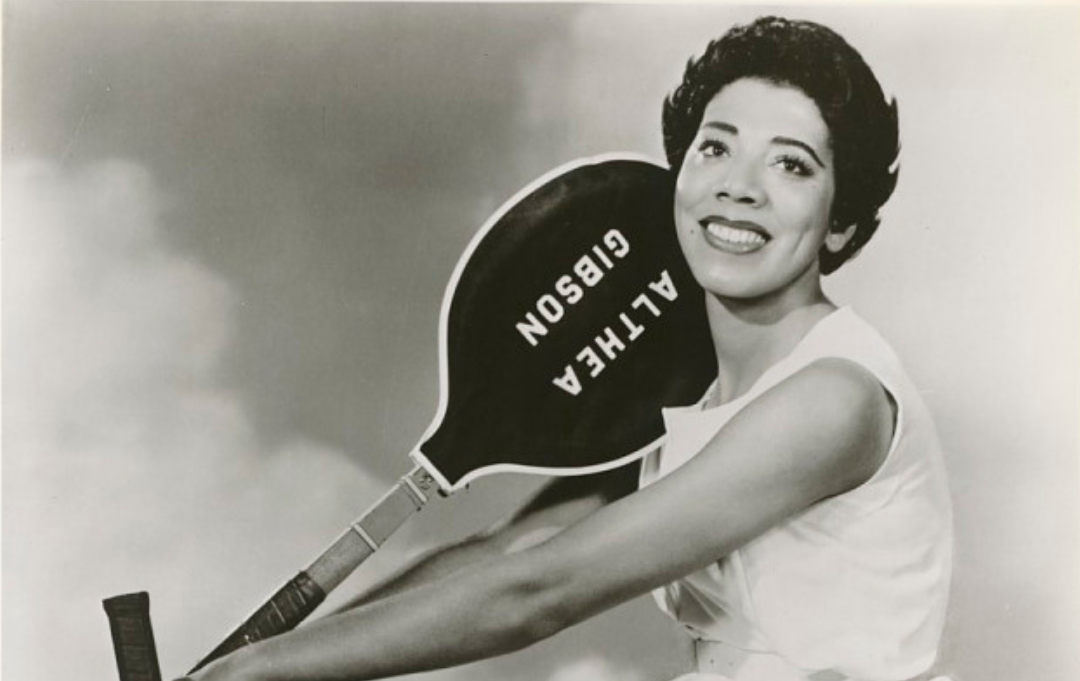
To be clear, nothing can tarnish his well-deserved place in the sport’s history. What stands out most clearly is the model Dr. Johnson used to develop players. He did not merely coach from a distance. He brought young athletes into his home. He fed them, housed them, disciplined them, educated them, and shaped their lives far beyond the tennis court. This approach was not unique to Johnson, but he executed it with unusual intensity and success. Althea Gibson and Arthur Ashe are his most famous prodigies, but they were not the only ones.
There is no question that this model worked. It created opportunities that did not otherwise exist. For Black players in the mid-twentieth century, especially those from modest backgrounds, access to elite tennis required not only talent but shelter from an openly hostile system. Johnson understood that reality with brutal clarity. His strict code of conduct, described in detail by author Doug Smith in this book, was not about manners or image. It was about survival. One misstep could derail an entire career, not just for the player, but also for all those who followed.
Last week’s review of the Australian Broadcasting Corporation’s dramatization of the life of Evonne Goolagong Cawley forced me to confront how much of her story I had never fully absorbed. Until I streamed the series, I was largely oblivious to the more troubling aspects of her career, including allegations of inappropriate sexual advances and financial impropriety from her advocates. Those revelations underscore how vulnerable young players can be when their development depends on coaches and managers operating with minimal oversight. The pattern is not unique. The now well-documented abuse suffered by Jelena Dokic, which unfolded in plain sight of coaches, officials, and tennis institutions that arguably should have intervened, offers a stark reminder that good intentions and even extraordinary outcomes do not eliminate the possibility of harm.
Against that backdrop, one detail in Whirlwind becomes striking. Johnson’s life, as Smith presents it, was messy, flawed, and at times deeply hypocritical. He gambled. He was unfaithful. And yet, despite the extraordinary level of access he had to young athletes, he appears to have escaped any accusations of sexual misconduct or financial exploitation of his players. That absence does not make him a saint, because he clearly was not.
In this book, Smith does not sanitize Johnson or present a well-curated image that exists in other sources. If anything, the book’s refusal to limit itself to a clean hero narrative is one of its strengths. Johnson emerges as a complicated figure whose personal vices coexisted with genuine moral clarity about the injustice of racial exclusion in tennis. The fact that his legacy appears untarnished in the specific ways that have brought down other figures does not absolve the model itself. It simply underscores how fragile it was all along.
That is the broader lesson I take from rereading Whirlwind today. Tennis history includes extraordinary people who changed the sport by opening their homes, spending their own money, and investing personally in young players. Without them, entire careers and perhaps entire eras would not have existed. But for every untarnished success story, there are cautionary tales that illustrate the limits of trust alone. Tennis has benefited enormously from these acts of private intervention, but history shows that when authority goes unchecked, the same conditions that produce greatness can also enable harm.
Whirlwind: The Godfather of Black Tennis remains essential reading, not just because of what Dr. Johnson accomplished, but because it reminds readers of the uncomfortable truth that progress in tennis has often depended on informal power structures operating in a space where moral gray zones potentially exist. The book honors what was accomplished but also reminds us that even in the case where great outcomes were achieved without harm, harder questions about how future generations should be protected remain. That balance feels more important now than it did three years ago when I first read this book.

Whirlwind: The Godfather of Black Tennis (<- Sponsored Link)
Fiend At Court participates in the Amazon Associates program and receives a paid commission on any purchases made via the links in this article. Details on the disposition of proceeds are available on the “About Fiend at Court” page.