
In Lifespan: Why We Age — and Why We Don’t Have To, David Sinclair challenges the conventional wisdom that aging is inevitable. He presents the provocative idea that it is, in fact, a treatable disease. Much like Outlive: The Science and Art of Longevity, which I also recently reviewed, Sinclair emphasizes the idea that the real goal of medicine should not simply be to extend life, but to increase healthspan, which is defined as the period of life spent with good health and vitality.
Sinclair’s approach is grounded in the belief that there is no single cause of aging. He posits that aging is, at its core, a loss of information encoded in our DNA, a breakdown of the biological information that tells our cells how to function. This information theory of aging is used as the foundation for a detailed scientific discussion that spans genetics, molecular biology, and rigorous laboratory research. While Outlive is more approachable for a broad audience, Lifespan pushes further into the frontier, appealing to readers ready to embrace more extreme concepts in the longevity movement.
Like Peter Attia in Outlive, Sinclair stresses that prevention is far more effective than treating disease after it develops. He prescribes familiar cornerstones of health, including regular exercise and caloric moderation. However, he also includes some less mainstream recommendations, including supplements and thermal therapies. His guidance essentially boils down to eating fewer calories, exercising more, and incorporating environmental challenges that promote resilience.
One of the strengths of Lifespan is its acknowledgment that medicine is not one-size-fits-all. For example, Sinclair takes time to discuss how males and females respond differently to certain treatments, noting that medical research has historically excluded women from many medical trials and experiments. This attention to nuance makes his recommendations more credible, even as they push the limits of what is currently possible.
Beyond the science, Sinclair dedicates space to the ethical and moral implications of extended lifespans. He considers how longevity breakthroughs might affect society across different socioeconomic strata, a question that will become more urgent if the ability to slow or reverse aging becomes a reality.

Lifespan: Why We Age—and Why We Don’t Have To (<- Sponsored Link)
In summary, Lifespan reads like Outlive on overdrive. Where Attia’s work offers a broad, highly actionable framework for the average person, Sinclair’s book is a rallying cry for those prepared to pursue the outer limits of what longevity science can offer. It’s part practical guide, part vision for the future, and entirely a challenge to rethink what it means to grow older.
Fiend At Court participates in the Amazon Associates program and receives a paid commission on any purchases made via the links in this article. Details on the disposition of proceeds are available on the “About Fiend at Court” page.


While there is no doubt that a healthy lifestyle, exercise and making the best using of medications during ailments helps to promote a healthy life, the human race is no-where near being able to extend life.
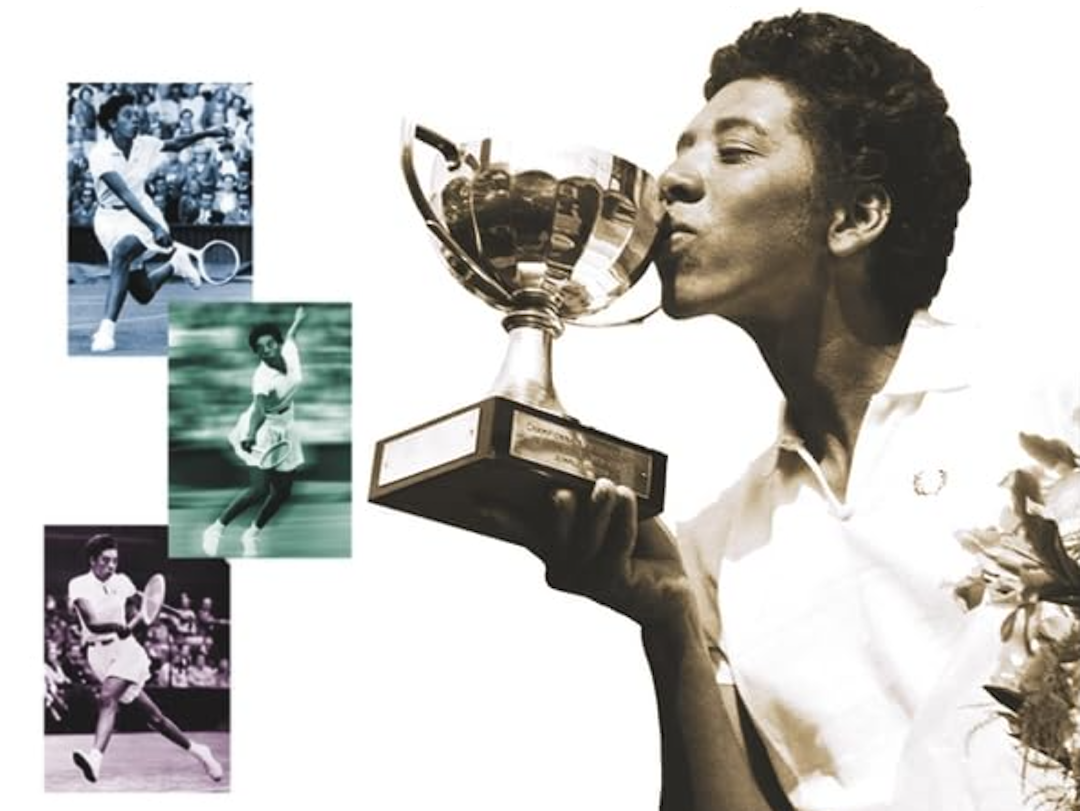
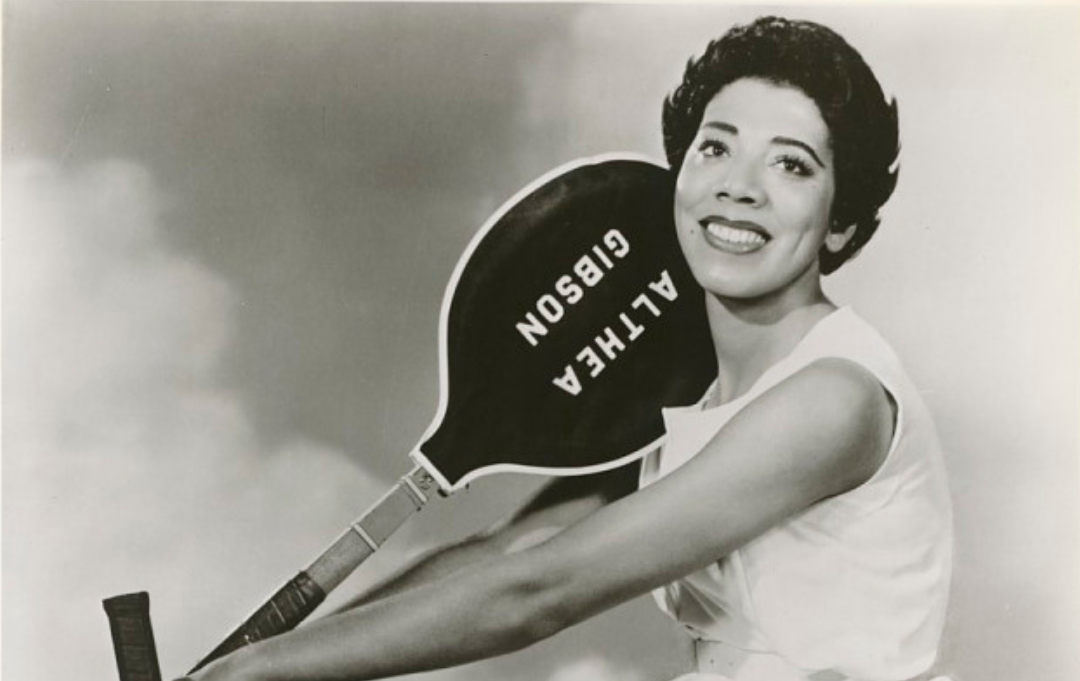
I am a senior tennis player and it is noticeable that every jump in age group brings different challenges. As players age, they become slower around the court, less able to react quickly and the biggest difference is balance; older age groups not being able to turn and chase balls like their younger counterparts.
Keep dreaming!