After spending the past five years scouring the headlines of nearly every tennis news story that crosses the wires each week, I have become convinced that tennis has a real problem. Salacious headlines form a steady drumbeat of allegations of abuse, toxic coaching environments, and institutions that seem more invested in protecting themselves than in safeguarding players. These aren’t isolated incidents but symptoms of a deeper challenge, as evidenced by the frequency of recurrence.
To be clear, Julie Keeps Quiet is not a documentary about any of those stories. However, it is a film with themes that are difficult to dismiss as ungrounded fiction, given the persistent related headlines in the sport. Director, Leonardo Van Dijl’s dramatization paints a haunting portrait of suffering and the complicated reasons why the victims might not always be forthcoming.
Julie Keeps Quiet revolves around a promising teenage player at a Belgian academy whose coach is suspended after a teammate’s suicide and allegations of unspecified misconduct. Pressured to testify, Julie retreats inward, throwing herself into her training while the adults around her scramble to manage appearances and make sense of it all.
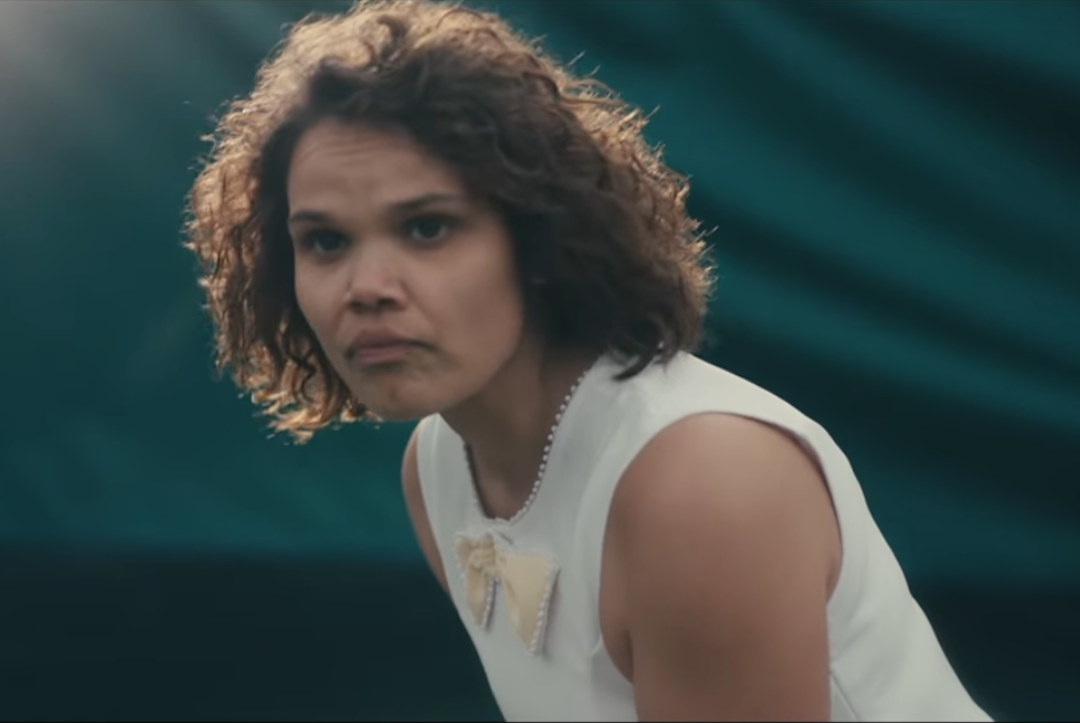
Tessa Van den Broeck, herself a former competitive junior, delivers a strikingly stark performance as Julie. Every scene plays out in long, quiet takes where gesture and posture do the storytelling. The camera captures the isolating repetition of drills and the oppressive structure of the tennis academy setting. While there are no stunning revelations in the movie, Van Dijl’s choice to hold back that exposition invites the viewer to experience the emotional suffocation of the culture of denial.
The film’s strength lies in what it withholds. In the absence of cathartic revelations or dramatic showdowns, the plot unwinds slowly, allowing the reviewers to anticipate their own conclusions. For those of us who have watched real accounts of misconduct in tennis emerge, the film’s restraint feels dark but accurate. The academy is depicted in muted tones and shallow light, creating an aesthetic that is both beautiful and suffocating. This is a rare sports film where the culmination of the action occurs in the mind rather than during competition.
It’s worth noting that Naomi Osaka is credited as an executive producer of this film. While her role doesn’t place her behind the camera, her involvement nonetheless underscores how the film’s themes of power, silence, and safeguarding in sport resonate with many of the top stars. The film highlights the perspectives of athletes who struggle to find their voice.
Julie Keeps Quiet is now available for streaming on Amazon Prime. English-speaking viewers should be advised that it is presented in French and Flemish. Consequently, subtitles are necessary for most English-speaking viewers. To me, that added another subtle layer of distance to a story told mainly through what cannot easily be vocalized.

Julie Keeps Quiet (<- Sponsored Link)
Ultimately, Julie Keeps Quiet is not a film about winners or redemption, but rather a meditation on silence, power, and the emotional cost of dealing with abuse. It lingers because it feels so plausible within the context of modern tennis, where headlines keep surfacing but meaningful reform has remained elusive. Watching it, I couldn’t help but think about the young players whose stories never make it past the rumor stage, and the adults who find comfort in pretending that everything is fine. The film does not offer answers or closure, but it does capture what silence looks and feels like. I found it deeply unsettling, but it’s probably a film that anyone in and around coaching power dynamics should consider watching.
Fiend At Court participates in the Amazon Associates program and receives a paid commission on any purchases made via the links in this article. Details on the disposition of proceeds are available on the “About Fiend at Court” page.